Lecture Details
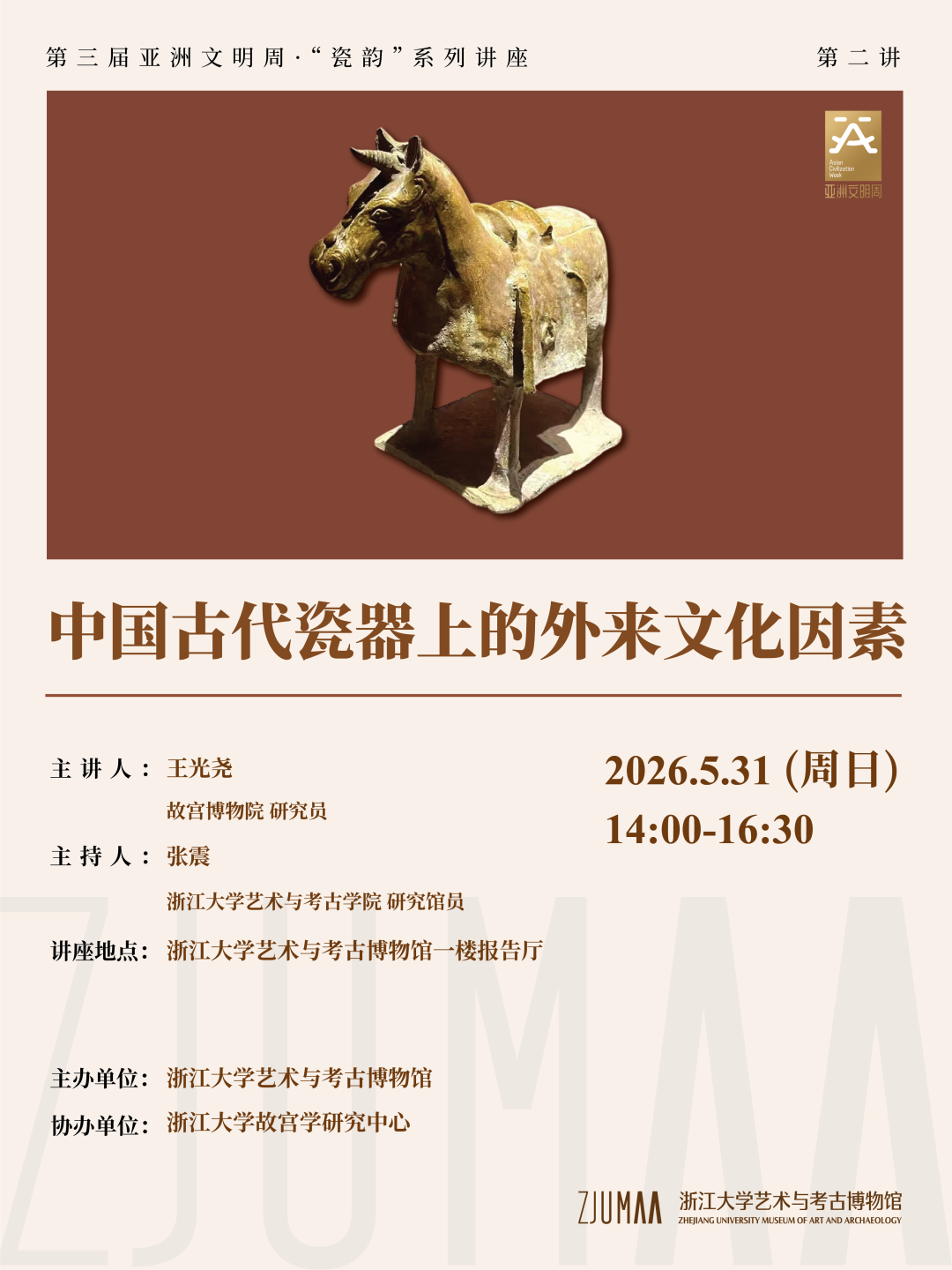
Date: Sunday, 31 May 2026, 14:00–16:30
Venue: Lecture Hall, First Floor, Zhejiang University Museum of Art and Archaeology
Organizer: Zhejiang University Museum of Art and Archaeology
Co-organizer: Research Center for the Studies of the Palace Museum, Zhejiang University
Host: Zhang Zhen — Research Librarian (Curator), School of Art and Archaeology, Zhejiang University
Speaker: Wang Guangyao — Researcher, the Palace Museum
About the Speaker
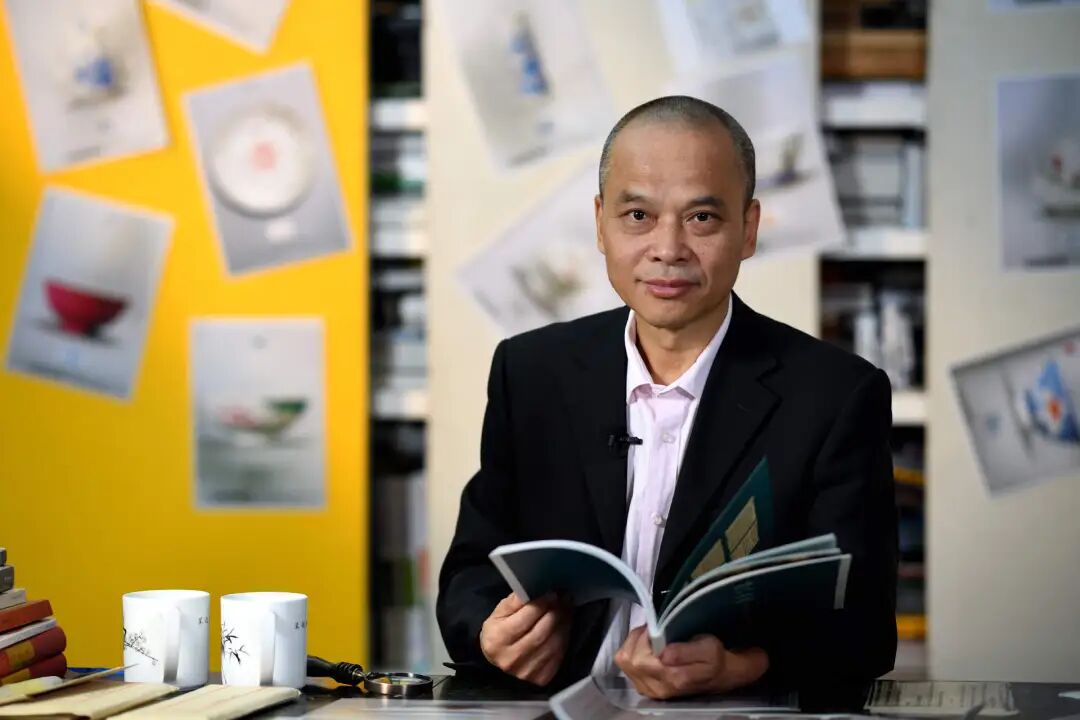
Wang Guangyao graduated from the Department of Archaeology at Peking University in 1989 and has worked at the Palace Museum ever since. He is a Level-2 Research Librarian (Curator), a doctoral supervisor, and a standing council member of the Society for Chinese Archaeology. His work has long centered on ceramic archaeology, the institutions and protocols of the imperial court, and cultural exchange between China and the wider world, as well as exhibition curation.
He has led the excavation of the Ming and Qing imperial-kiln site at Jingdezhen, as well as collaborative excavations at the Pattanam site in Kerala, India, and the Julfar site in the United Arab Emirates, together with research on the Chinese artifacts unearthed there. He curated the exhibitions Longquan of the World: Longquan Celadon and Globalization, The World of Tea: A Special Exhibition of Tea Culture, and The Great Way: A Special Exhibition of Confucian Culture. His publications include The Imperial Kiln System of Ancient China, A History of Ming-Dynasty Court Ceramics, and The Imperial Kiln System of Ancient China II.
About the Lecture
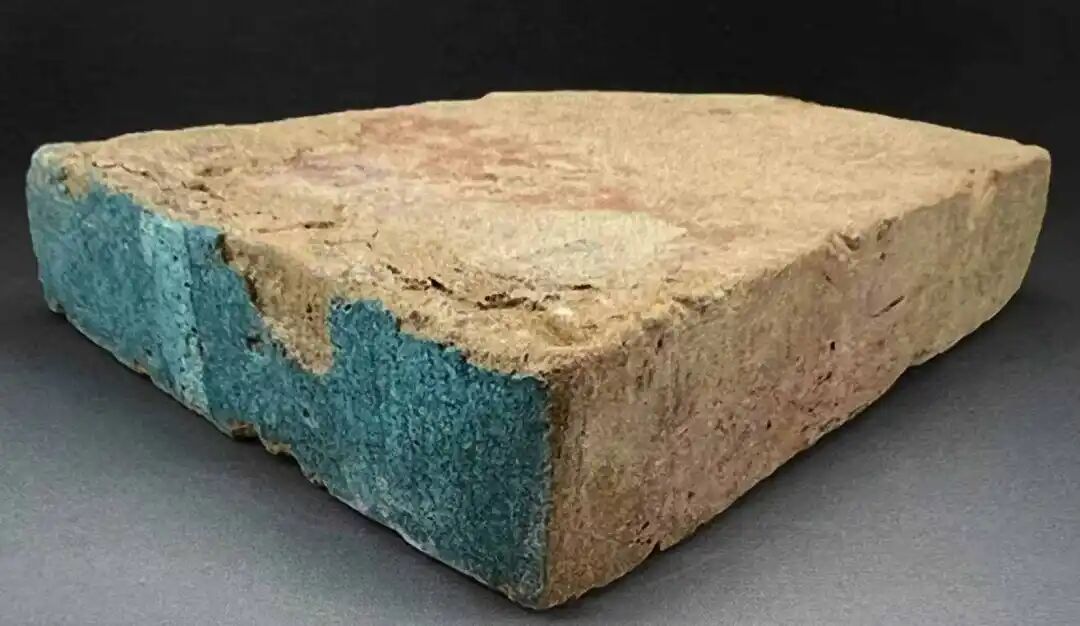
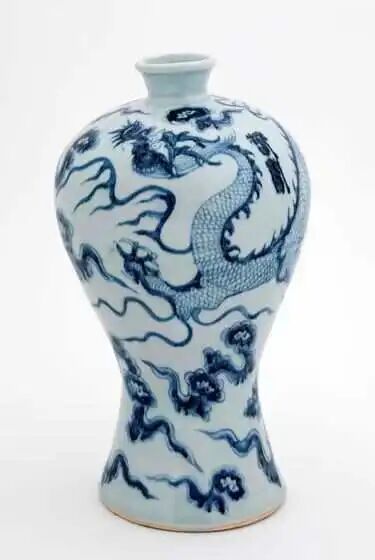
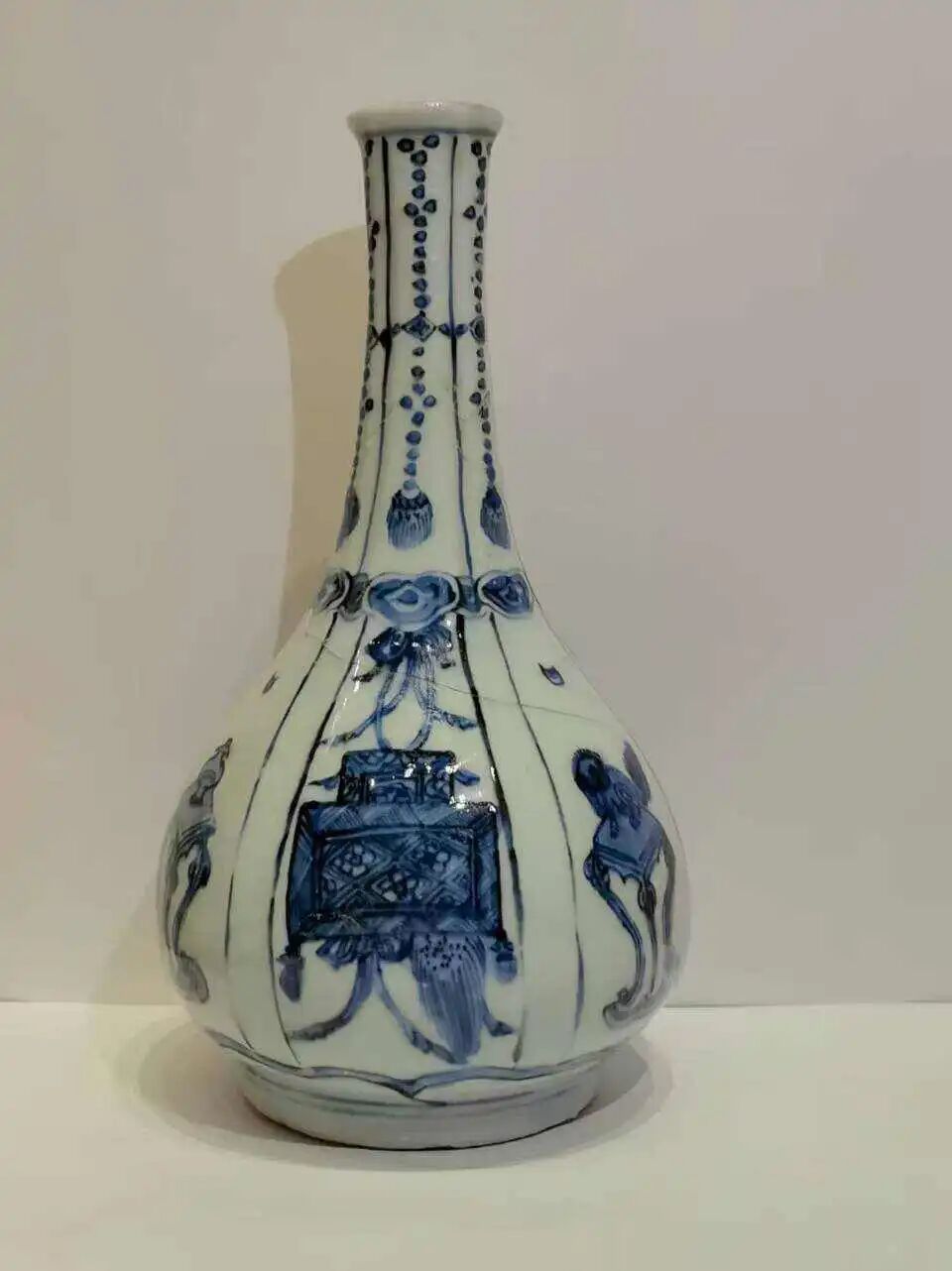
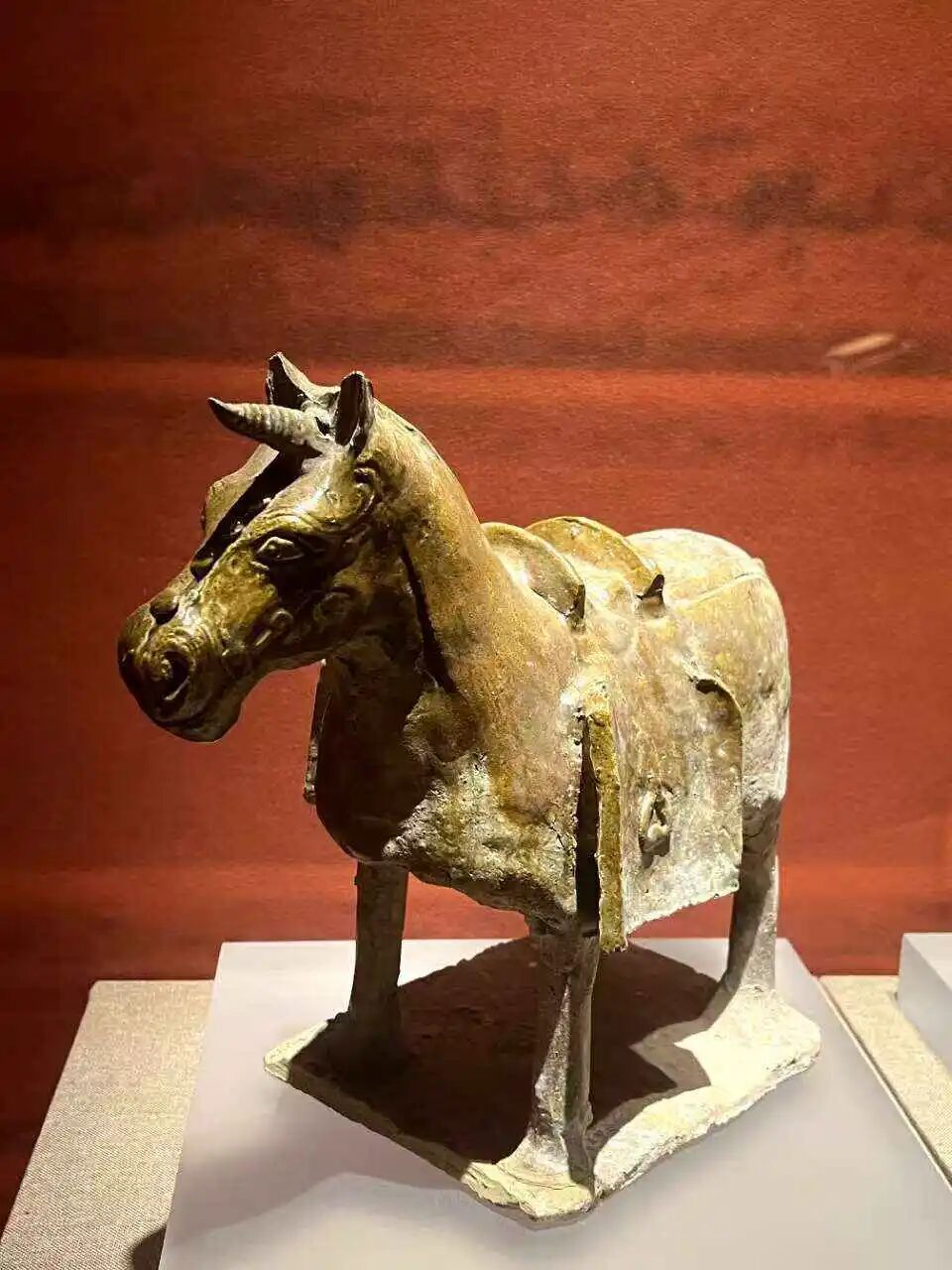
Continuity and openness are the two defining qualities of ceramic production in ancient China. Continuity secured the development of ceramic culture over several millennia, while openness and a willingness to learn allowed advanced techniques and knowledge from ceramic production beyond China’s borders to be continually introduced and absorbed over more than two thousand years. This, in turn, drove improvements in Chinese ceramics—in glaze colors, in the materials and subjects of painted decoration, and in form—and enabled Chinese ceramic production to remain at the forefront for a very long time.
Registration
Please scan the registration QR code for Lecture 2 to sign up. Information and registration links for the later lectures in the series will be released in due course. (A registration QR code can be placed here.)